Shopping Cart (0)
Close
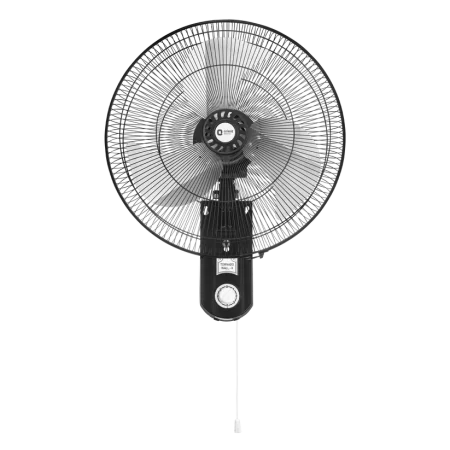
Electric fans are motorized devices that create airflow by rotating blades (impellers) to provide cooling, ventilation, and air circulation. Powered by AC or energy-efficient BLDC motors, they are widely used in homes and industries. Common types include ceiling, table, pedestal, wall-mounted, and exhaust fans, designed for varied cooling needs.
Britannica Kids
Britannica Kids
+3
Key Aspects of Electric Fans:
How They Work: An electric motor drives a shaft, spinning blades that cut through the air, creating a breeze. They move air to cool people by accelerating the evaporation of sweat, rather than lowering the room’s actual temperature.
Common Types:
Ceiling Fans: Install on ceilings, ideal for year-round comfort.
Table/Desk Fans: Portable, small, and convenient for personal use.
Pedestal/Stand Fans: Adjustable height with oscillation for wider air distribution.
Exhaust Fans: Used in kitchens or bathrooms to remove moisture, odors, and hot air.
Bladeless Fans: Modern design, safer, and easier to clean.
Motor Technology: Traditional fans use induction motors, while modern, energy-efficient models use Brushless Direct Current (BLDC) motors, which consume less power.
Safety & Maintenance: Never put fingers or objects into the blades while running. Keep away from water to prevent electric shock.
History: The electric fan was invented in 1882 by Dr. Schuyler Wheeler, with ceiling fans patented shortly after by Philip Diehl.
Wikipedia
Wikipedia
+7
Modern fans often include features like remote controls, smart IoT connectivity, and anti-dust technology


Within 30 days for an exchange

Within 30 days for an exchange

Pay with Multiple Credit Cards

Within 30 days for an exchange